The Facility
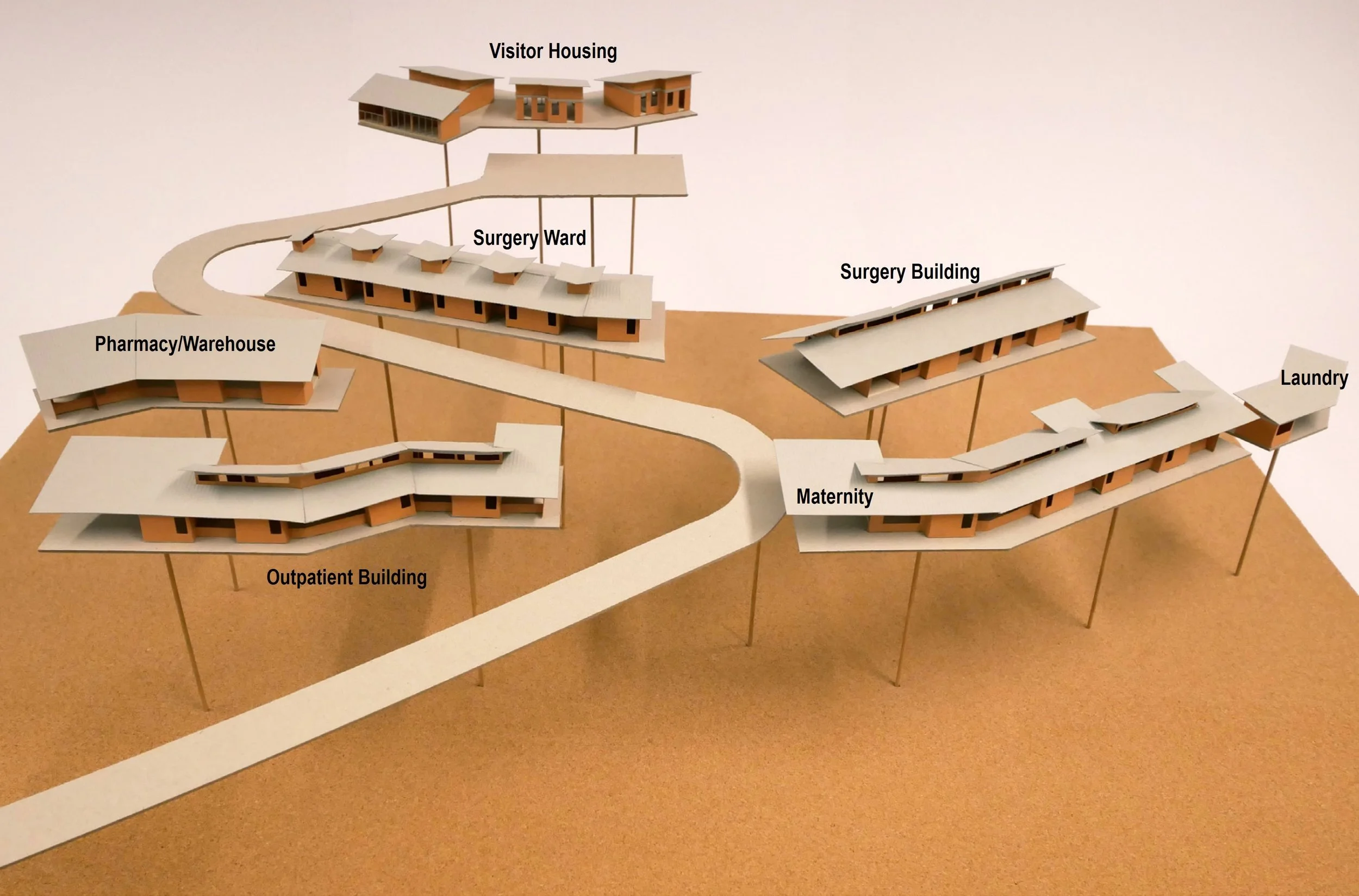
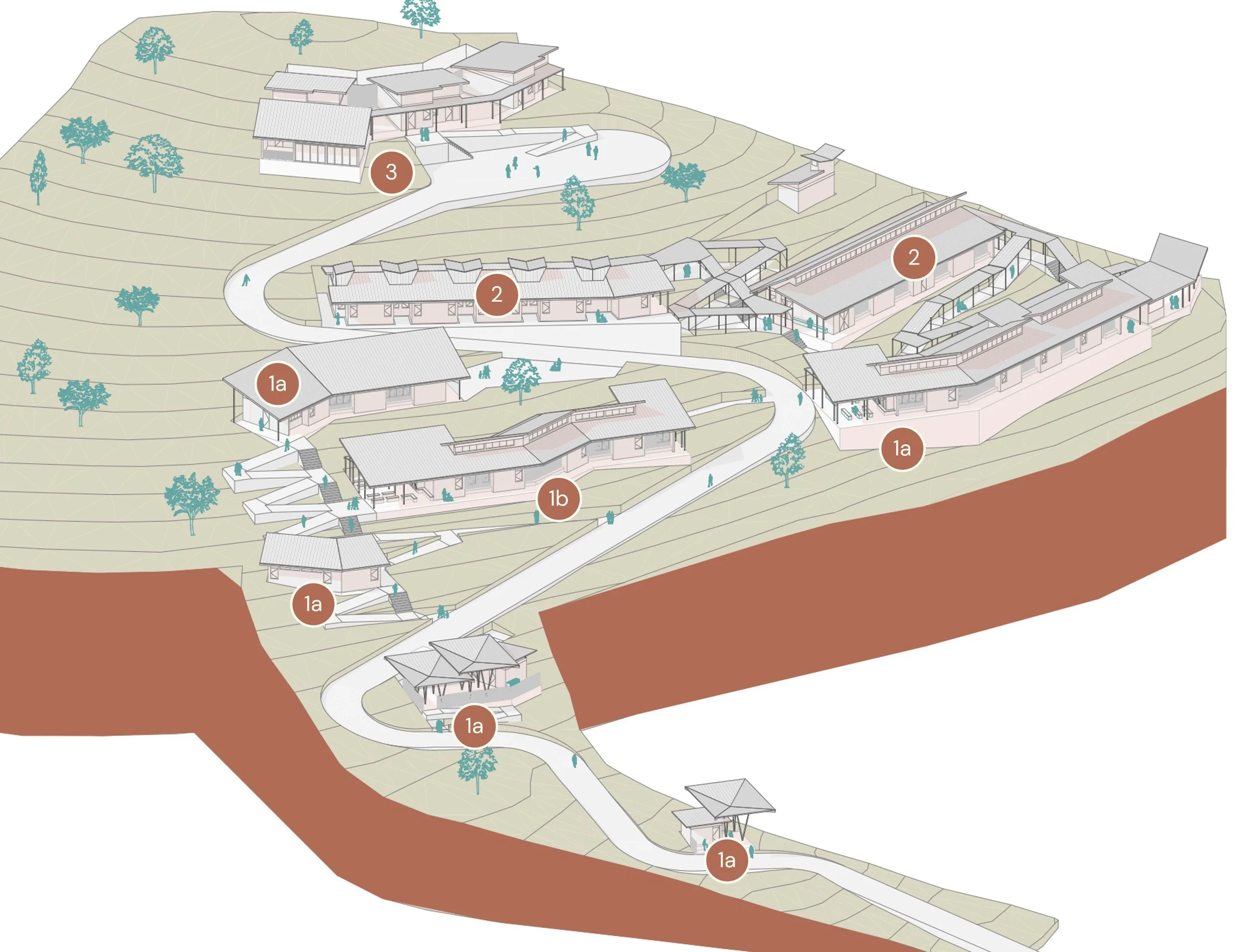
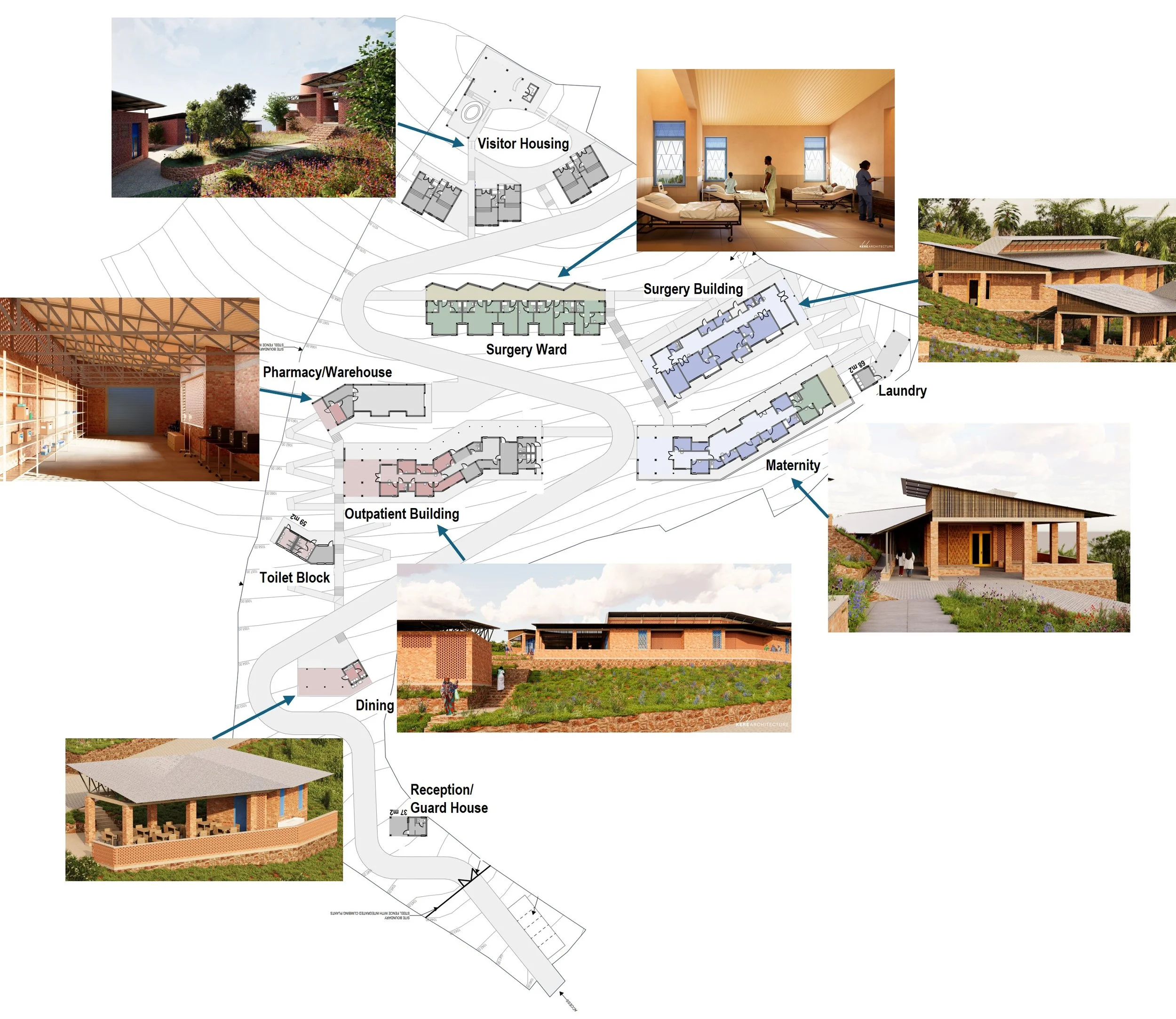
The Ineza Maternity and Surgical Clinic, set on a hill in a rural setting in Bubanza province, lies approximately 35km north of Bujumbura, the capital. The clinic, once fully built, will have a large maternity unit able to handle both routine and emergency births (including caesarean sections), an outpatient care center, a surgical center equipped with two operating rooms, a surgical ward with 14 beds as well as visitor housing.
The Ineza Clinic will employ a core team of around 25 permanent staff, including an ObGyn, a pediatrician, midwives, nurses, and laboratory and pharmacy technicians. Once the surgical wing and the operating theaters are opened, the clinic will seek to recruit local specialists and surgeons who will provide services on a part-time basis, on selected days of the week.
Inspiration
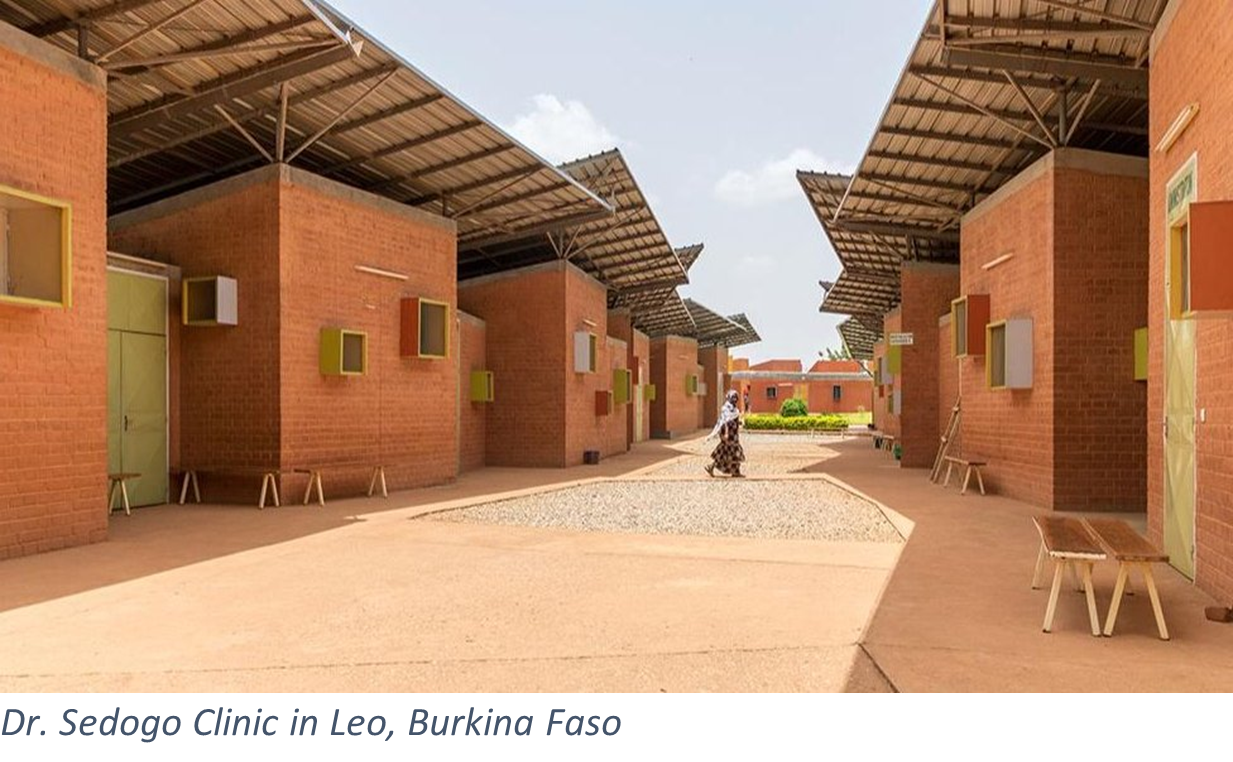
The Clinic draws its inspiration, both architecturally and operationally, from the Dr. Sedogo Clinic in Burkina Faso. That clinic, which was built in 2014 by a team of German surgeons, exemplifies the size, scope of services, care and environmental philosophy of the clinic we are trying to build. Eva, Ineza’s founder, has been closely involved with the clinic for the past ten years, gaining firsthand experience that informs the vision for Ineza Clinic. By using the Burkina Faso clinic as a model, we are able to apply proven lessons and design strategies to maximize impact, efficiency, and long‑term sustainability
A defining feature of the Dr. Sedogo Clinic is its visiting surgeon program, through which international specialists participate in week‑long missions to complement the work of the local medical team and provide advanced surgical care that is otherwise unavailable in the country.
At Ineza Clinic, we plan to implement a similar model by hosting rotating teams of European and U.S. specialists for short‑term assignments. These teams will collaborate closely with Burundian colleagues to deliver complex surgical, urological, gynecological, pediatric, and plastic surgery services at reduced cost. In addition to expanding access to critical surgical care, these partnerships will provide invaluable hands‑on training for Burundian staff, strengthen clinical skills, and promote high standards of postoperative care and long‑term patient outcomes.
Architecture
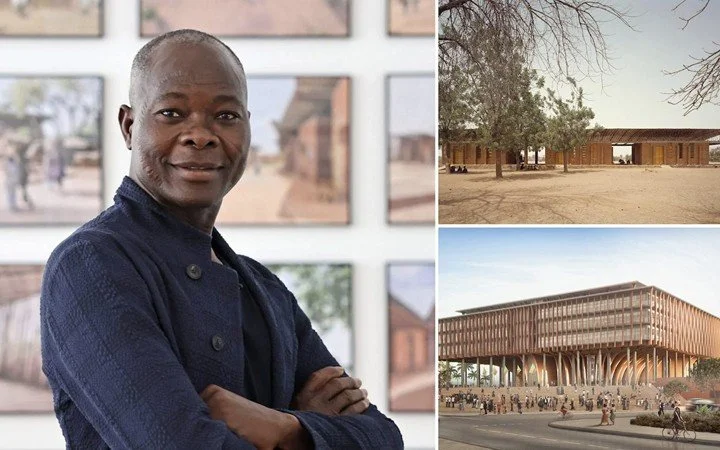
We are extremely excited to have our clinic designed by the Pritzker Price-winning architect Francis Kere from Burkina Faso, who also designed the Dr. Sedogo Clinic in Burkina Faso. Key features will include the use of local materials and construction techniques, which not only support the regional economy but also enhance the building’s thermal performance and integration with its environment. Sustainability will play a major role in the clinic’s construction. The clinic will use special sustainable building materials and an architectural design which leads to a natural air conditioning of the building. 90% of the necessary electricity is planned to come from solar panels on the clinic’s roof. Wastewater is disposed of via a biological treatment plant so that the cleaned water can be used for watering the garden.
Timeline
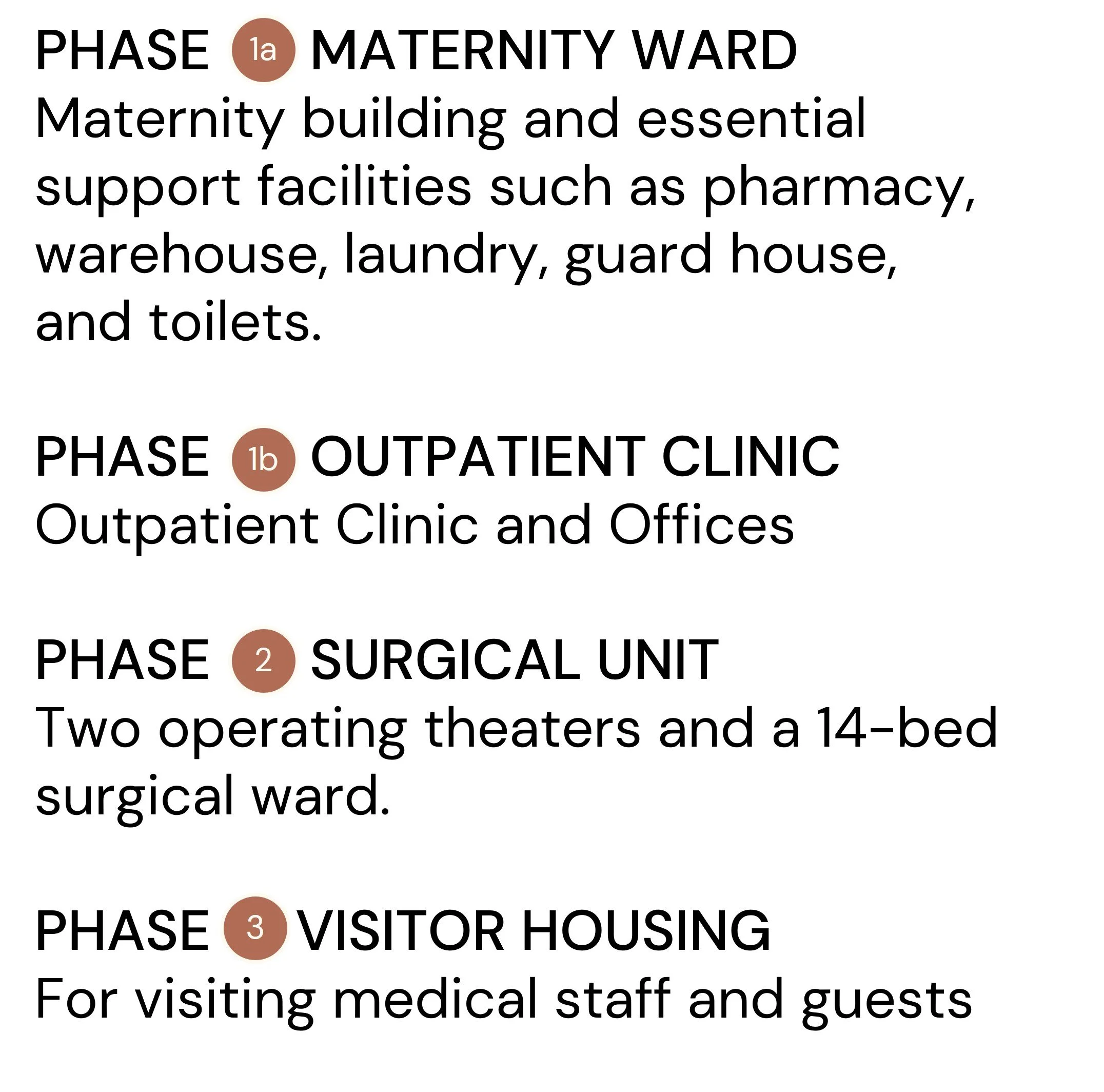
To ensure that the construction of the Ineza Clinic is both manageable and financially sustainable, the project is divided into three phases. The timing of the three phases will depend largely on the amount of funds that can be raised. The goal of this phased approach is to maintain financial sustainability while ensuring the clinic remains operational and undisturbed throughout the later stages of construction.
PHASE 1A
Focus on the maternity building as well as all the essential support facilities such as warehouse/ pharmacy, laundry, dining hall, guard house, and toilet block. During this phase, women requiring a C-section will be referred to the hospital in the next town.
PHASE 1B
Construction of the outpatient building, which will also house a lab and the offices of the administrative staff.
PHASE 2
Introduction of the surgical wing, consisting of the surgical unit with two operating theaters, and a 14-bed surgical ward. C-sections will be performed on-site.
PHASE 3
Will complete the project with the construction of accommodation for visiting personnel.